Learn English with Simple English
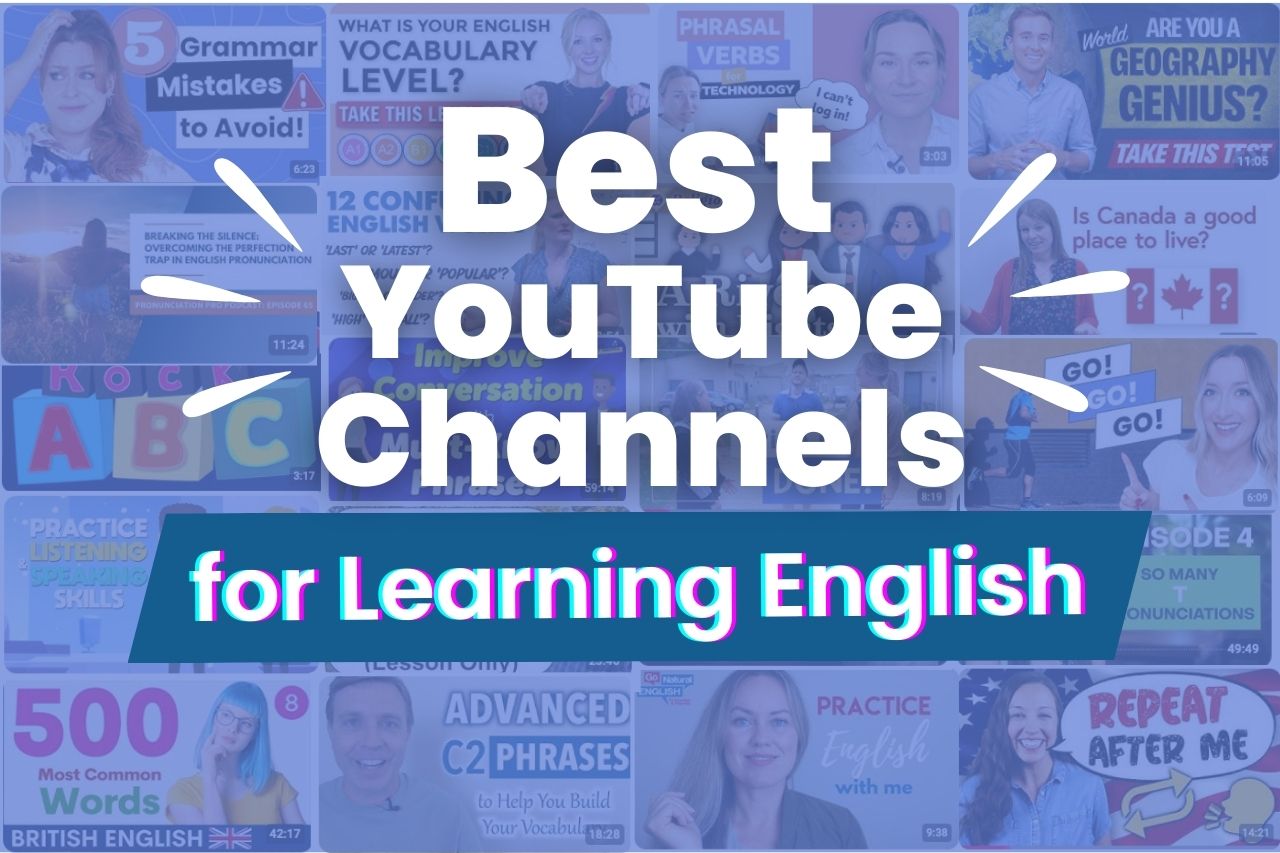
Here’s an English-blog style article recommending 10 excellent YouTube channels that teach English in simple English—great for building your foundation—and also 3 additional non-YouTube resources for further practice. Enjoy diving in and improving your English step by step!
Learn English with Simple English: 10 YouTube Channels You’ll Love
Learning English can feel hard when you jump into complex words too soon. But when you start with very simple English, and you learn by listening, speaking, and watching in English, things become easier — you begin to think in English, not just translate. Below are ten YouTube channels that do that: they teach English using English, targeting beginners and building from the ground up. For each, I’ll give the link and explain why it’s a good pick, what it offers, and how you can use it.
1. EnglishClass101.com
Why I recommend it:
- The channel offers many short lessons for absolute beginners up to more advanced levels. For example: “500 English Words for Everyday Life – Basic Vocabulary #25”. (YouTube)
- It uses simple English phrases, everyday vocabulary, real-life situations. So you’re learning what people actually say.
- Because it uses English only (or mostly), you immerse yourself — you see and hear English, which helps build your “English thinking”.
How to use it:
Pick a video each day, maybe 5-10 minutes. Pause, repeat phrases out loud, write down a few new words. Then the next day, review those and watch a new one.
2. Learn English with Bob the Canadian
Why I recommend it:
- Bob uses everyday English, clear pronunciation, and sometimes gestures to make meaning clear. (YouTube)
- He covers basic vocabulary (“verbs”, “common phrases”) and encourages you in your journey.
- The style is friendly: it feels like a tutor or uncle teaching you, not too formal, which works well when you’re just starting.
How to use it:
Watch a topic you like (verbs, daily routines, etc.). Try to mimic Bob’s pronunciation and use the new words that day in simple sentences (for example: “I push the door.” “I pull the chair.”).
3. BBC Learning English
Why I recommend it:
- Very well‐organised, professional content. It has many levels, including beginner friendly lessons. (YouTube)
- The language is clear, the pace moderate — good for building listening skills.
- You’ll also see real life contexts: news, culture, vocabulary, which makes your English learning stronger.
How to use it:
Choose a “Beginner” playlist in BBC. Listen twice: first to understand, second to repeat aloud. Then try to summarise the video in your own simple English sentence.
4. lingoni ENGLISH
Link: https://www.youtube.com/@lingoniENGLISH
Why I recommend it:
- Designed for levels A1 to B2 (that means beginner to intermediate) so good for building foundations. (lingoni.com)
- Focuses on “real life situations” (airport, office, family) so you learn what you can say in English, not just grammar.
- Also offers worksheets, flashcards, podcasts — so you can work beyond the video.
How to use it:
Look for videos like “Daily routine – A1”. After watching, write 3 sentences about your own daily routine using the vocabulary. Then watch next level when comfortable.
5. English with Jennifer
Why I recommend it:
- Jennifer is a real teacher and she breaks things down in very simple terms (alphabet, greetings, useful expressions) for beginners.
- She uses real lessons, not just quick tips. So if you want to learn rather than just “watch interesting clips”, this is good.
- She also focuses on speaking and confidence (“help you communicate more confidently and effectively”).
How to use it:
Start from her “Lesson 1 – Greetings”. Practice by greeting someone in English today (maybe a friend or mirror). Then watch lesson 2 etc.
6. Rachel’s English
Why I recommend it:
- Though a bit more advanced compared to very basic lessons, Rachel focuses on pronunciation and how real American English sounds (linking, reduced forms, etc). (YouTube)
- If you already know some vocabulary and grammar and want to sound better and understand native speech, this is a top pick.
- Helps you with listening skills and real conversation rhythm.
How to use it:
Choose a video like “How to pronounce ‘water’ in American English”. Try to repeat what she does, record yourself and compare. Do that 2-3 times/week.
7. English with Lucy
Why I recommend it:
- Lucy’s lessons are fun, clear and well-designed. She has won awards for her teaching innovation. (Wikipedia)
- She covers lots of topics: British English, everyday conversation, vocabulary, pronunciation.
- The style is friendly, so you feel comfortable even if you’re a beginner.
How to use it:
Watch a video like “Common mistakes in English”. Make a list of 5 mistakes you feel you make, and practice the “right” version she gives. Try to use them in your next speaking or writing.
8. VOA Learning English
Why I recommend it:
- Uses slow speech, clear voice, and subtitles (often) — great for listening at the beginner level. (Voice of America)
- Combines real news or stories with language learning — so you build vocabulary and context at the same time.
How to use it:
Pick a “Beginner” video about a simple news story or life topic. Listen first for meaning. Then watch again with subtitles; pause and repeat the sentences.
9. Learn English with Jessica
Why I recommend it:
- She focuses on conversation and “daily English” for beginners. Example: “7-Day Study Plan for Beginners | Daily English Conversation” video. (YouTube)
- If your goal is to speak English and not just know grammar, this channel will help.
How to use it:
Watch a video like “10 phrases to use when meeting someone new”. Practice with a partner or record yourself using those phrases in a mini-dialogue.
10. Easy English
Why I recommend it:
- Easy English presents conversations on various topics that help you learn vocabulary and spoken English by hearing real people. (YouTube)
- If you’re ready to hear more “natural” English (still at an accessible level), this channel is a good bridge between beginner & intermediate.
How to use it:
Choose a video like a street interview topic. Listen, then try to summarise what the people said. Pick 3 new words and use them in your own sentences.
How to Make the Most of These Channels
Here are a few simple tips to turn watching into learning:
- Daily or almost daily: Even 10 minutes matters. Consistency beats long but rare sessions.
- Active watching: Pause the video and repeat out loud. Write down 2-3 new words or phrases. Use them in a sentence.
- Speak or write: After watching, say perhaps: “Today I learned …” in English. Or write: “I learned 5 new words: , , ___. I used them like this: …”
- Use more than one channel: Start with the very basics (EnglishClass101, Jennifer) then gradually include ones that improve listening/pronunciation (Rachel’s English, Lucy) and speaking (Jessica).
- Set small goals: For example: “This week I will watch 3 videos and be able to use 5 new expressions.” Then review next week.
- Don’t worry about perfection: You will make mistakes. That’s how you learn. Focus on communication, not being perfect.
Bonus: 3 Additional (non-YouTube) Resources
Here are three extra resources outside YouTube that I also like and you may find useful:
- Website / App – for example from lingoni
The site behind the lingoni channel offers worksheets, flashcards, extra exercises. So you can go beyond video-watching and do things. (lingoni.com) - Podcasts by VOA Learning English
The same organisation as the YouTube channel offers podcasts and “Everyday grammar” videos which you can listen to while commuting or walking. (Voice of America) - Online “study plan” videos / playlists
For example Jessica’s “7-Day Study Plan for Beginners | Daily English Conversation” video shows you how you can organise your study for a week. (YouTube)
Having a plan helps you stay on track and not feel lost.
Final Thoughts
Using YouTube to learn English with simple English is powerful. These ten channels give you a range of styles, levels, and focuses — from pure beginners to improving your pronunciation and speaking. The key is regular practice, using what you learn, and gradually pushing yourself just a little further. Pick 1-2 channels from this list, set a small routine, and in a few months you’ll notice you understand more, you speak more, and you think in English more naturally.
Happy learning! 😊






That is great 👍